Urinary incontinence: a problem with a solution
There are effective treatments for urine leakage that allow people to regain control and improve their quality of life.
Topics: Urology, urinary health, recurrent cystitis, urinary tract infections, treatment, prevention, women, prostate
Urinary incontinence is defined as the involuntary loss of urine, and it can affect people of all ages, though it is more common in older adults and women.
This symptom, commonly referred to as urine leakage, can negatively impact quality of life, but it is important to highlight that it is neither an inevitable consequence of aging nor a problem without a solution.
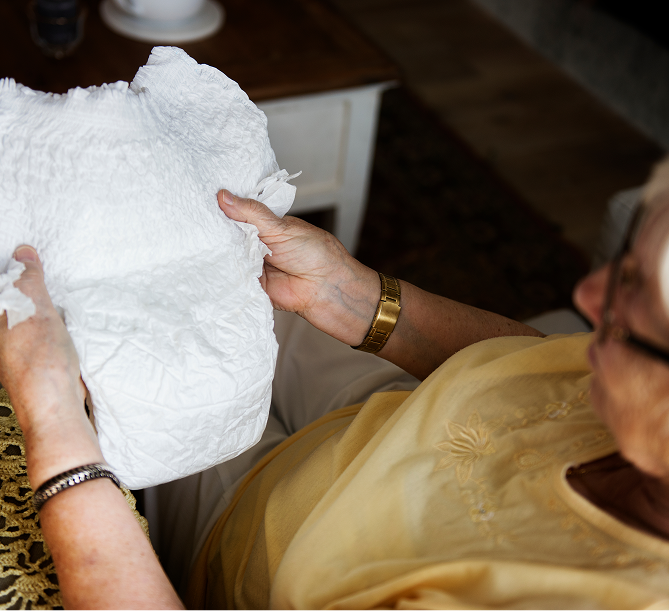
Causes of Urinary Incontinence
Urine leakage can have multiple origins, often related to the muscular and neurological control of the bladder and pelvic floor. The most frequent causes include:
• Weaknesses or dysfunction of the pelvic floor, often after childbirth, surgeries, or simply overtime.
• Alterations in bladder activity, such as overactive bladder, which causes urgency and sudden leakage.
• Neurological injuries or diseases that affect communication between the bladder and the central nervous system.
• Systemic factors or medications that alter urinary function.
• Lifestyle habits and physical conditions such as being overweight or constipation, which increase abdominal pressure and hinder urinary control.
Types of Urinary Incontinence
The clinical classification of urinary incontinence is based on the underlying mechanisms, with the main types being:
• Mixed urinary incontinence: a combination of the two previous types.
Strategies and Treatments for Improvement
The good news is that urinary incontinence can be significantly improved with the right strategies.

Thanks to advances in urology and pelvic floor medicine, there are effective treatments that improve patients’ quality of life. The key is to undergo specialized medical evaluation, choose the appropriate treatment, and ensure ongoing follow-up.
The most effective medical and surgical treatment options include:
Pelvic floor rehabilitation guided by specialized physiotherapists:
personalized programs with biofeedback and electro stimulation, which show high effectiveness in functional recovery.
Pharmacological treatment:
antimuscarinic drugs, beta-3 agonists, and neuromuscular modulators to regulate detrusor activity and improve urgency and frequency symptoms.
Minimally invasive therapies:
such as sacral or posterior tibial neuromodulation, which modulate the nerve pathways responsible for bladder control.
Surgical procedures for stress incontinence:
techniques such as suburethral sling placement, artificial urinary sphincters, or periurethral injections, aimed at restoring continence in selected cases.
Use of medical devices:
such as pessaries or intermittent catheterization in specific cases.
Urinary incontinence is a complex medical problem, but one with clear and effective solutions. Consulting with specialized urologists is essential to obtain an accurate diagnosis and access the most advanced treatments, which offer real hope for improvement.
Author