Kidney stones: a problem that worsens with heat
Kidney stone formation, or urolithiasis, affects 10% of the population and is currently the third most common reason for consultation in urology.
This condition, also known as kidney stones, occurs when there is a buildup of calcium, other minerals, or salts in the kidney or urinary tract. This buildup occurs when we lose fluids from the body. In summer, we sweat more, and cases of urolithiasis increase by up to 40%, so experts recommend hydration.
“You should drink plenty of water, but also other types of liquids, such as soups, infusions, or juices. Prevention through hydration is the most important thing, and not only in the summer, although for obvious reasons related to temperature, this problem is more common in the summer”
Dr. Salvador Esquena, director of UROCAT and head of the Urology Department at the General University Hospital of Catalonia, explains to Medicina Responsable.
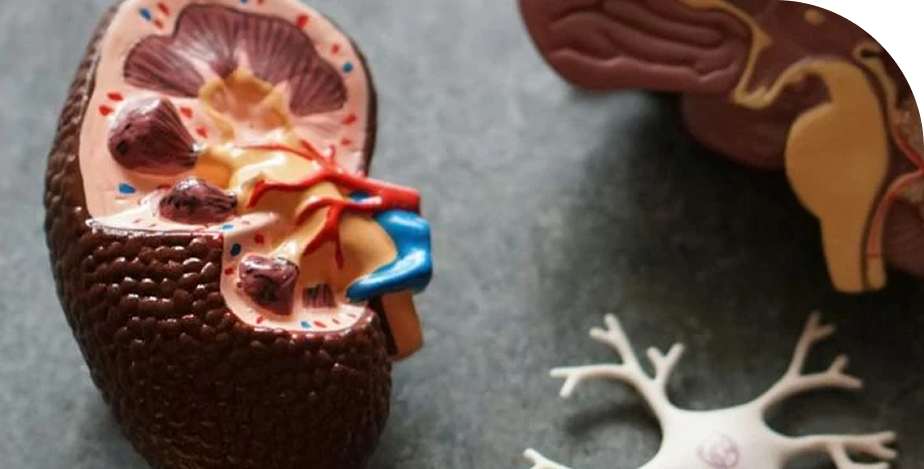
Kidney stones vary in size. They can range in size from a grain of sand to a sizable stone. Regarding their evacuation, they can be expelled from the body naturally through urine.
“For this, ample water intake is recommended”, adds Dr. Esquena. This remedy is not sufficient when they remain in the kidney or travel through the urinary tract, becoming stuck. “In this case, they block the urinary tract and cause painful renal colic. The most common symptom is a sudden, sharp, and intense pain”, the urologist emphasizes.
Even so, kidney stones are not always detected when the discomfort has already occurred; they can be discovered incidentally through radiological tests or as a result of urinary sepsis, an infection that causes pain, malaise, and fever.
Regarding treatment, specialists choose one or another depending on the size, location, and composition of the stones. Thus, if they are small, drinking plenty of fluids and eating a balanced diet, limiting salt intake and the consumption of protein-rich meats, is recommended.