
Da Vinci Robot
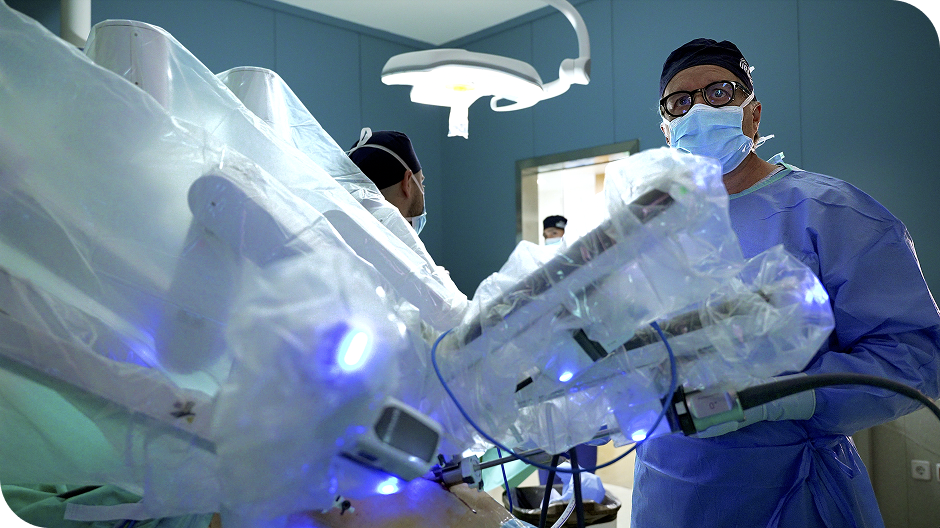
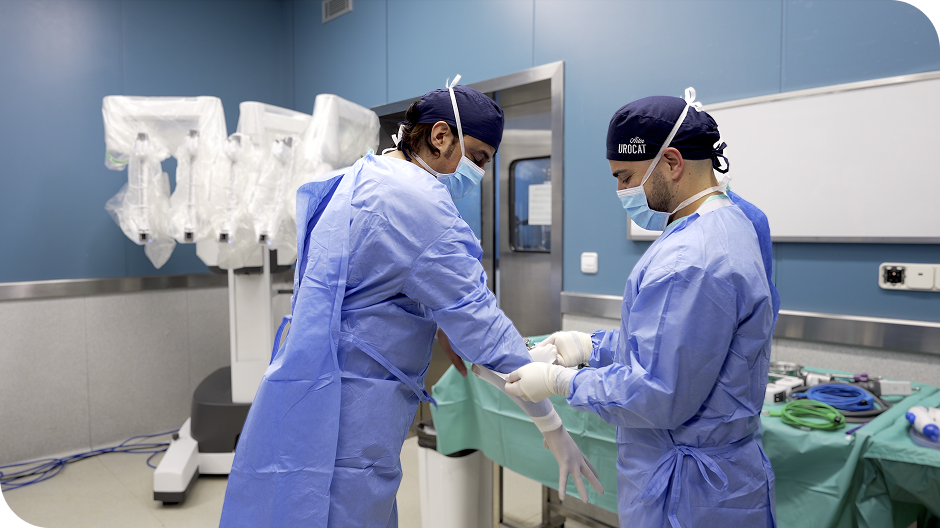
The Da Vinci Robot is a state-of-the-art surgical platform that allows surgeons to perform minimally invasive procedures with exceptional precision.
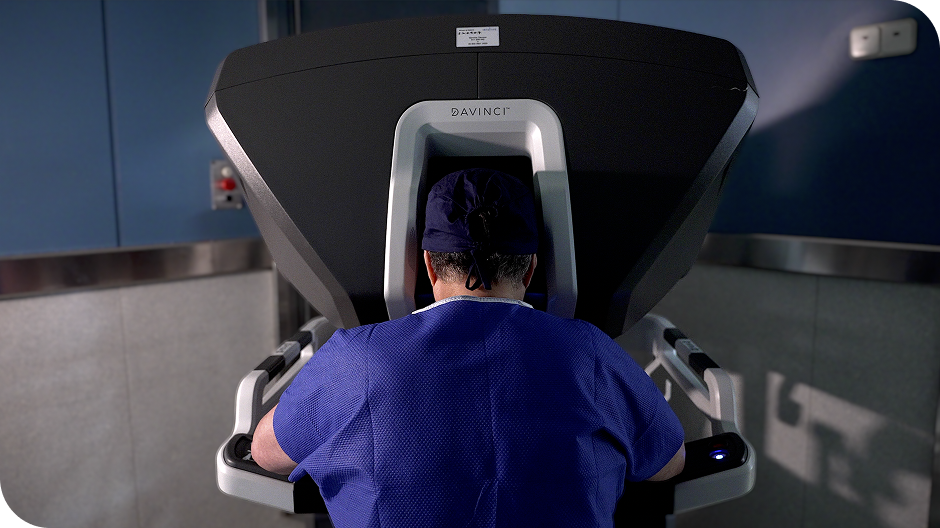
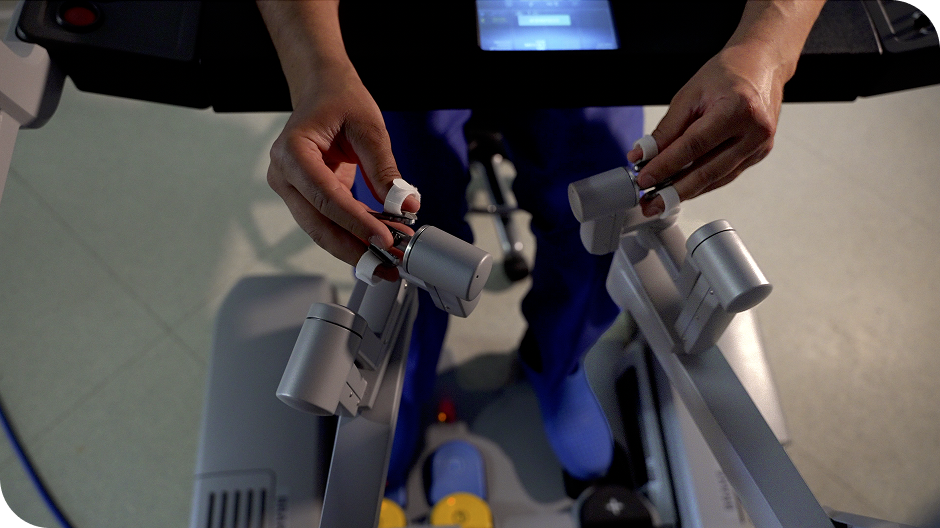
The system consists of articulated robotic arms equipped with highly precise microsurgical instruments and a high-definition three-dimensional (3D-HD) camera that magnifies the surgical field up to 10 times. Unlike conventional laparoscopic surgery, the surgeon controls the robot’s movements from an ergonomic console, reducing hand tremors and enhancing surgical accuracy.
What is it used for?
The Da Vinci system is used in multiple advanced urological surgeries, particularly in:
Prostate cancer surgery (radical prostatectomy):
- Removal of the prostate while preserving structures responsible for urinary and sexual function.
- Reduced risk of incontinence and erectile dysfunction compared to other techniques.
Kidney surgery (partial nephrectomy):
- Removal of kidney tumors with maximum precision and minimal impact on healthy tissue.
- Preservation of the kidney in patients with small tumors, avoiding total nephrectomy.
Bladder cancer surgery (radical cystectomy with diversion or ileal neobladder):
- Removal of the bladder in invasive cancer cases, with reconstruction of a neobladder or urinary diversion.
Reconstructive surgery:
- Robotic pyeloplasty to correct ureteropelvic junction obstruction.
- Repair of urinary fistulas and ureteral strictures with high precision and reduced risk of complications.
Main benefits
- Greater surgical precision → Controlled, tremor-free movements that improve safety in complex procedures.
- Menor sagnat i risc de complicacions → Com que és una tècnica mínimament invasiva, redueix la pèrdua de sang i el risc d’infeccions.
- Faster recovery → Smaller incisions, less postoperative pain, and shorter hospital stays.
- Preservation of urinary and sexual function → Especially in prostate surgery, improving patients’ quality of life.
- Greater comfort for the surgeon → Operating from an ergonomic console reduces fatigue and surgical errors.