
Fusion Biopsy with the Trinity Koelis System
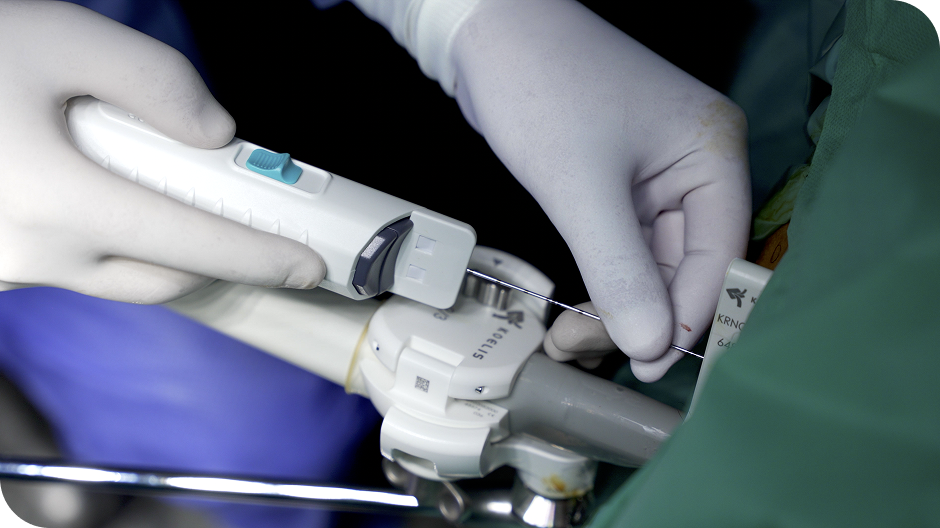
Fusion biopsy using the Trinity Koelis system is an advanced diagnostic technique that combines multiparametric MRI imaging with real-time ultrasound to improve accuracy in the detection of prostate cancer.
This system overlays detailed MRI images of the prostate with transrectal ultrasound, providing a three-dimensional view of the organ and a highly precise localization of suspicious areas.

What is it used for?
- Greater diagnostic accuracy → Image fusion directs the biopsy exactly to suspicious areas, reducing errors compared to conventional cognitive biopsy.
- Fewer unnecessary biopsies → Reduces the number of samples taken and avoids repeated biopsies in patients with suspected cancer.
- Lower risk of complications → As a more targeted, transperineal approach, it drastically reduces the risk of infections, rectal bleeding, and post-procedure discomfort.
- Better treatment planning → Provides highly reliable information on tumor location and aggressiveness, enabling the choice of the best therapeutic strategy.
Main benefits
- Greater diagnostic accuracy → Image fusion directs the biopsy exactly to suspicious areas, reducing errors compared to conventional cognitive biopsy.
- Fewer unnecessary biopsies → Reduces the number of samples taken and avoids repeated biopsies in patients with suspected cancer.
- Lower risk of complications → As a more targeted, transperineal approach, it drastically reduces the risk of infections, rectal bleeding, and post-procedure discomfort.
- Better treatment planning → Provides highly reliable information on tumor location and aggressiveness, enabling the choice of the best therapeutic strategy.