
Male Infertility
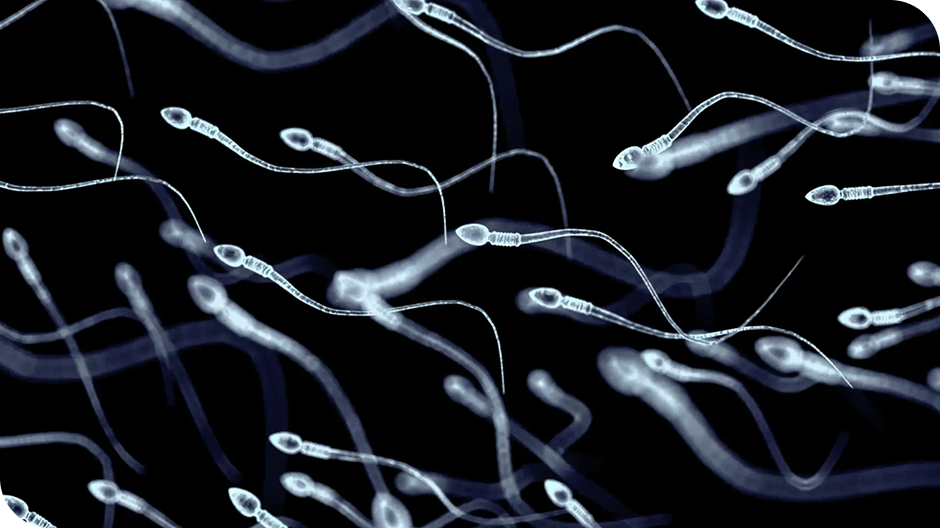
Male infertility is defined as a man’s inability to achieve pregnancy with his partner after one year of regular, unprotected sexual intercourse.
This condition may be caused by a variety of factors affecting sperm production, function, or transport. It is a common cause of reproductive difficulties in couples and can be influenced by genetic, hormonal, anatomical, and environmental factors.
Symptoms
The main symptom of male infertility is the inability to conceive a child despite having regular unprotected sexual intercourse for at least one year. In many cases, there are no obvious symptoms indicating a fertility problem. However, some men may present associated signs, such as:
- Sexual problems: difficulties with ejaculation, reduced sexual desire, or erectile dysfunction.
- Pain, swelling, or lumps in the testicular area: possible indicators of testicular conditions.
- Recurrent respiratory infections: sometimes linked to genetic conditions that affect fertility.
- Abnormal breast development (gynecomastia): possible sign of hormonal imbalances.
- Reduced facial or body hair: indicator of chromosomal or hormonal abnormalities.
The presence of these signs does not confirm infertility but may suggest underlying conditions that affect male reproductive health.
Diagnosis
L'avaluació de la infertilitat masculina implica diversos passos per identificar possibles causes:
Història clínica i exploració física:
- Detailed medical and sexual history: including past illnesses, surgeries, sexual habits, and exposure to risk factors.
- Physical examination: assessment of the genitalia to detect structural abnormalities or signs of hormonal imbalance.
Anàlisi de semen (seminograma):
- Assessment of semen quality: parameters such as volume, concentration, motility, and sperm morphology.
Proves hormonals:
- Measurement of hormones such as testosterone, luteinizing hormone (LH), and follicle-stimulating hormone (FSH) to detect imbalances that affect sperm production.
Proves genètiques:
- Chromosomal analysis: to identify genetic abnormalities that may impair fertility.
Imaging studies:
- Scrotal or transrectal ultrasound: to detect obstructions or abnormalities in the reproductive tract.
Treatment
The therapeutic approach to male infertility depends on the identified cause and may include:
Medical treatments:
- Hormone therapy: for men with hormonal imbalances affecting sperm production.
- Antibiotics: to treat reproductive tract infections that may impair fertility.
Intervencions quirúrgiques:
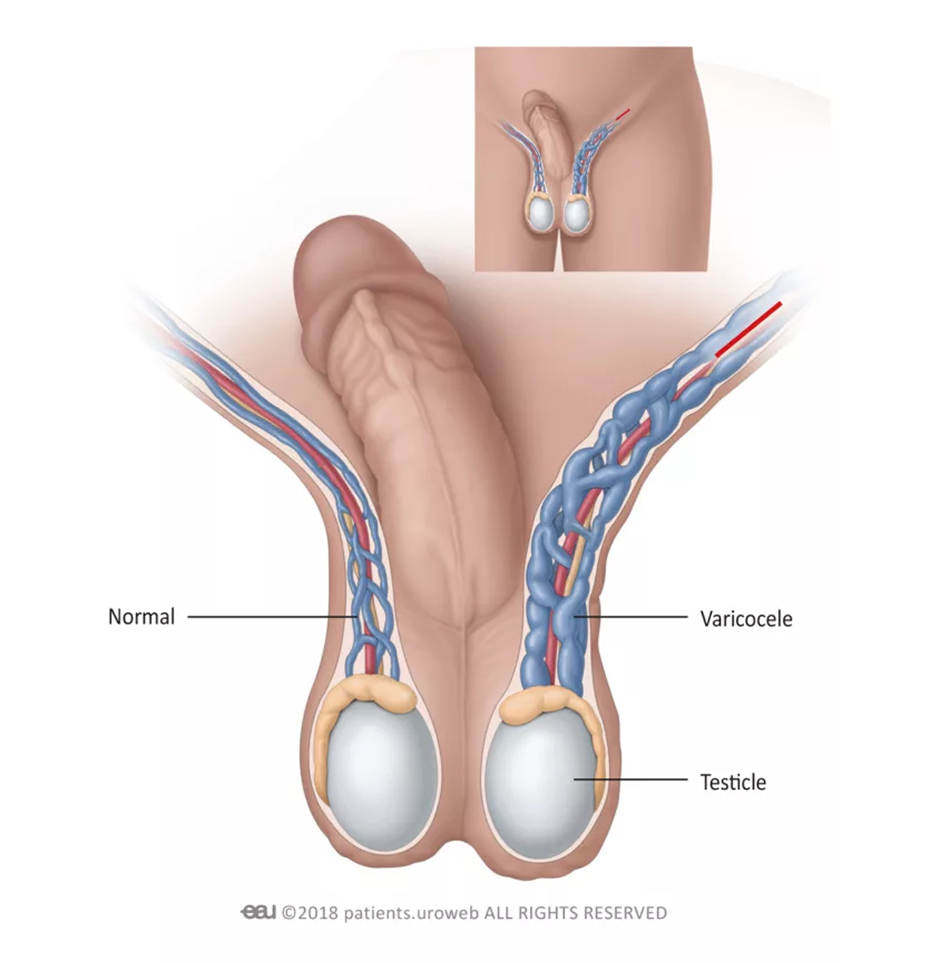
- Varicocele repair: procedure to correct varicose veins in the scrotum that may impact sperm quality.
- Obstruction repair: surgery to correct blockages in the ducts that transport sperm.
Assisted reproduction techniques:
- Intrauterine insemination (IUI): direct introduction of sperm into the uterus during ovulation.
- In vitro fertilization (IVF): fertilization of the egg with sperm in the laboratory followed by embryo transfer into the uterus.
- Intracytoplasmic sperm injection (ICSI): direct injection of a single sperm into the egg to facilitate fertilization.
The choice of treatment depends on factors such as the cause and duration of infertility, the couple’s age, and their personal preferences. It is essential that affected couples seek counseling from a fertility specialist to discuss available options and make informed decisions.