
Prostatitis and Chronic Pelvic Pain
Prostatitis is an inflammation of the prostate that may be caused by a bacterial infection or by non-infectious factors.
Cuando la inflamación persiste durante más de tres meses sin evidencia de infección bacteriana, se denomina Síndrome de Dolor Pélvico Crónico (SDPC) o Prostatitis Crónica. Esta condición es común y afecta aproximadamente hasta a un 10% de los hombres, causando síntomas graves que impactan de manera significativa en la calidad de vida.
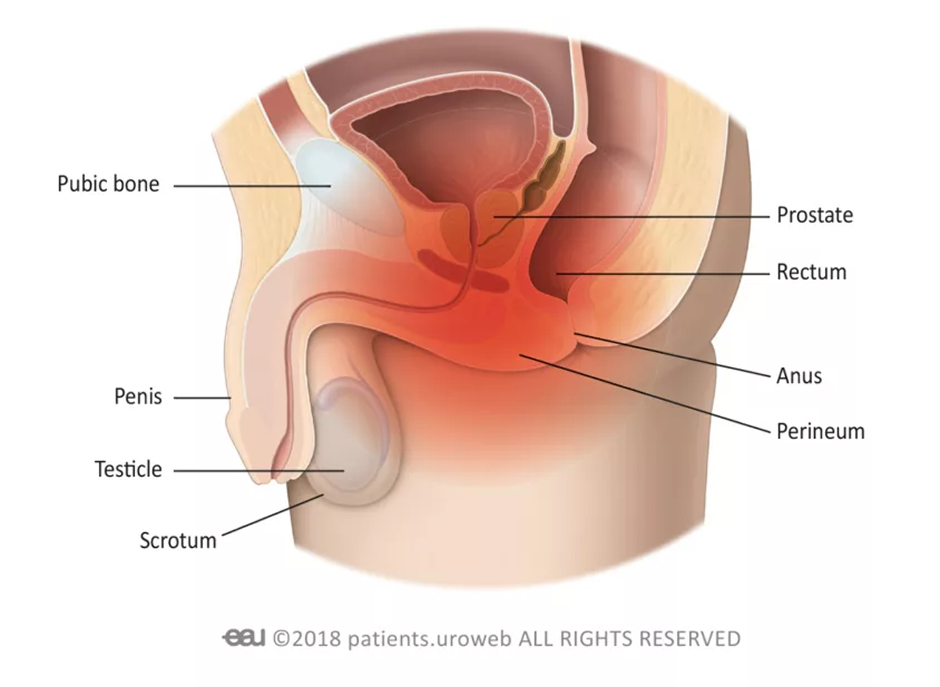
Symptoms
The symptoms of CPPS can vary, but they typically include:
- Persistent pain or discomfort: located in the pelvic region, perineum, testicles, tip of the penis, pubic area, or bladder region.
- Urinary difficulties: frequent need to urinate, urinary urgency, weak or interrupted urine flow.
- Pain during or after ejaculation: post-ejaculatory discomfort is a characteristic symptom.
- Systemic symptoms: unexplained fatigue, muscle or joint pain.
These symptoms may fluctuate in intensity and can significantly affect daily activities and emotional well-being.
Diagnosis
The diagnosis of CPPS is primarily one of exclusion, meaning that other possible causes must be ruled out. Evaluations may include:
- Detailed medical history: duration and location of pain, urinary and sexual symptoms, and potential triggers.
- Physical examination: assessment of the pelvic and perineal region, including a digital rectal exam to evaluate the prostate.
- Urinalysis and cultures: to rule out urinary tract infections or bacterial prostatitis.
- Imaging tests: such as ultrasounds or magnetic resonance imaging, to study pelvic anatomy and rule out other pathologies.
It is essential to rule out other conditions that may cause similar symptoms, such as bacterial infections, benign prostatic hyperplasia or prostate cancer.
Treatment
The management of CPPS is diverse and individualized, given the complexity of symptoms and their impact on quality of life. Therapeutic options include:
- Education and psychological support: providing information about the nature of the condition and offering emotional support.
- Physiotherapy: stretching exercises, relaxation techniques, and reduction of pelvic muscle tension; in some cases, prostatic massage and regional nerve stimulation.
- Medications, which may include:
- Alpha-blockers: to relax prostatic muscles and improve urinary flow.
- Anti-inflammatory drugs: to reduce pain and inflammation.
- Antibiotics: use is controversial but considered in selected cases.
- Phytotherapy: plant-based extracts that may be useful in some cases.
- Complementary therapies: such as acupuncture or extracorporeal shockwave therapy, which have shown positive results in some studies.
- Integrative urology: beneficial in cases resistant to conventional treatments.
A multimodal approach, combining different therapies, often provides the best outcomes.