
Urinary Tract Infections in Men and Women
Urinary tract infections (UTIs) can affect any part of the urinary system: kidneys, ureters, bladder, and urethra.
They are more common in women due to anatomical factors but can also occur in men. UTIs are classified as:
- Uncomplicated UTIs: occur in a normal urinary tract, usually in otherwise healthy women.
- Complicated UTIs: associated with anatomical abnormalities or risk factors that make treatment more difficult.
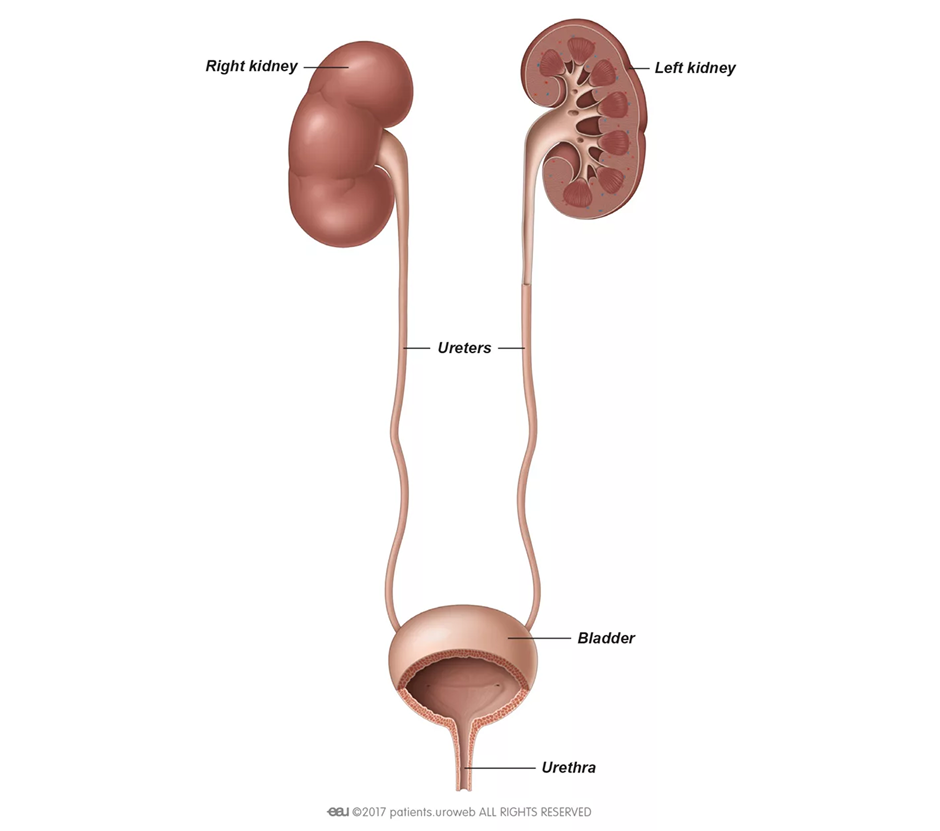
Symptoms
Symptoms may vary depending on which part of the urinary tract is affected:
Bladder (cystitis):
- Constant need to urinate
- Burning sensation when urinating
- Cloudy urine or strong-smelling urine
- Pelvic or lower back pain (in women)
Urethra (urethritis):
- Burning sensation when urinating
- Discharge
Kidneys (pyelonephritis):
- High fever
- Chills
- Back or side pain
- Nausea or vomiting
Diagnosis
The diagnosis of a UTI is based on:
- Medical history: review of symptoms and past medical conditions.
- Urinalysis: to detect bacteria, white blood cells, or red blood cells.
- Urine culture: identification of the causative microorganism and its antibiotic sensitivity.
- Imaging studies (radiology): in cases of recurrent or complicated UTIs, ultrasounds or CT scans may be performed to assess possible stones or structural abnormalities.
Treatment
The main treatment for UTIs is antibiotics. The choice of antibiotics and the duration of treatment depend on factors such as the severity of the infection, its location, and whether it is complicated or uncomplicated.
It is essential to complete the entire prescribed course of antibiotics, even if symptoms improve before finishing the treatment.
Prevention
Some measures to prevent UTIs include:
- Proper hygiene: wipe from front to back after bowel movements to prevent bacteria from entering the urethra.
- Hydration: drink plenty of water to dilute the urine and promote frequent urination, which helps flush bacteria from the urinary tract.
- Post-coital urination: urinate after sexual intercourse to eliminate bacteria that may have entered the urethra.
- Avoid irritant products: do not use potentially irritating feminine products, such as aerosol deodorants or frequent vaginal douching with soaps.
- Reassess contraceptive methods: some methods, such as diaphragms or spermicide-coated condoms, may increase the risk of UTIs.
Source: European Association of Urology
If you experience symptoms of UTI, it is important to consult a healthcare professional for proper diagnosis and treatment.