
Erectile Dysfunction
Erectile dysfunction (ED) is a urological disorder defined as the persistent inability to achieve and/or maintain an erection sufficient for satisfactory sexual activity.
This condition may occur occasionally or constantly, and it can appear without an obvious cause. Although it is not life-threatening, ED can have a significant impact on the quality of life of the individual and their partner.
Symptoms
The main symptom of ED is difficulty achieving or maintaining an erection adequate for sexual activity. Some men may experience a total inability to achieve an erection, while others may have inconsistent or short-lasting erections. It is important to recognize that these symptoms can vary in severity and frequency.
Diagnosis
To diagnose ED, a complete medical evaluation is essential, which includes:
- Medical history: review of medical, surgical, and sexual history to identify potential contributing factors.
- Physical examination: assessment of the genital organs and secondary sexual characteristics.
- Laboratory tests: blood tests to measure hormone levels and rule out underlying conditions such as diabetes or cardiovascular disease.
- Standardized questionnaires: tools such as the International Index of Erectile Function (IIEF) to assess symptom severity.
These assessments help determine the cause of ED and guide the most appropriate treatment plan.
Treatment
Treatment options for ED are varied and are selected according to the underlying cause and the patient’s preferences:
Lifestyle modifications
- Regular exercise: improves blood circulation and cardiovascular health.
- Balanced diet: a healthy diet can positively influence erectile function.
- Smoking cessation and reduced alcohol intake: both factors can negatively affect erectile function.
Pharmacological therapy:
- Phosphodiesterase type 5 inhibitors (PDE5i): medications such as sildenafil, tadalafil, vardenafil, and avanafil improve erectile response by increasing blood flow to the penis. They require sexual stimulation to be effective and must be prescribed by a physician.
Local therapies:
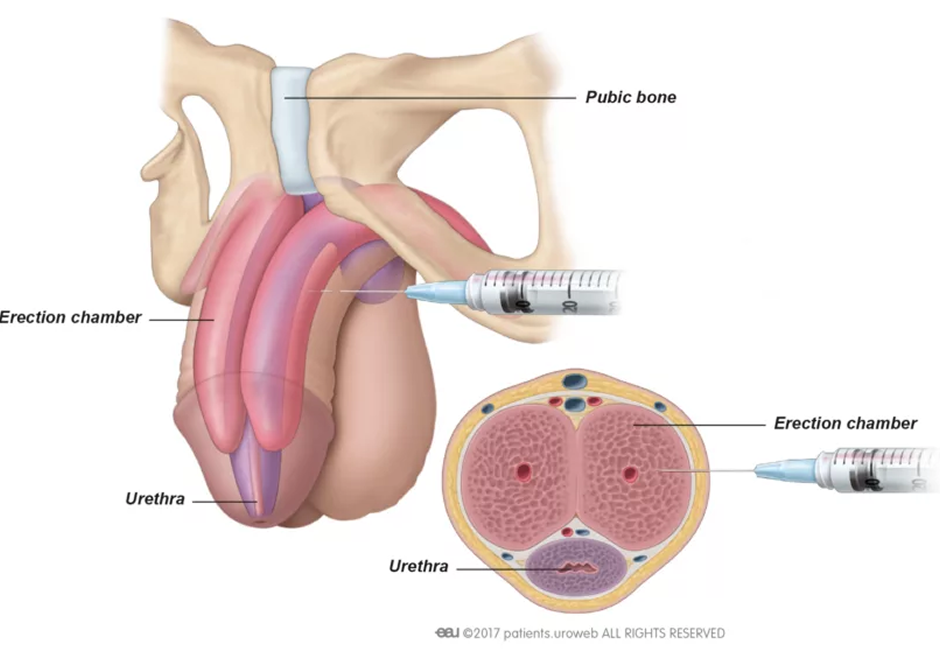
- Intracavernosal injections: direct administration of vasoactive drugs into the corpora cavernosa of the penis to induce an erection. This option is considered when PDE5 inhibitors are ineffective or contraindicated.
Vacuum devices:
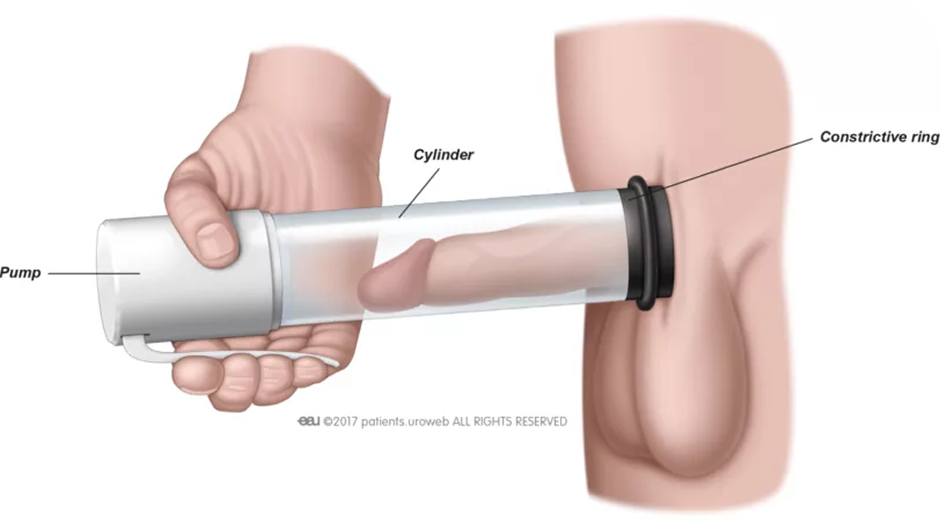
- Vacuum erection devices: these devices create negative pressure around the penis, encouraging blood flow and facilitating erection.
Penile implants:
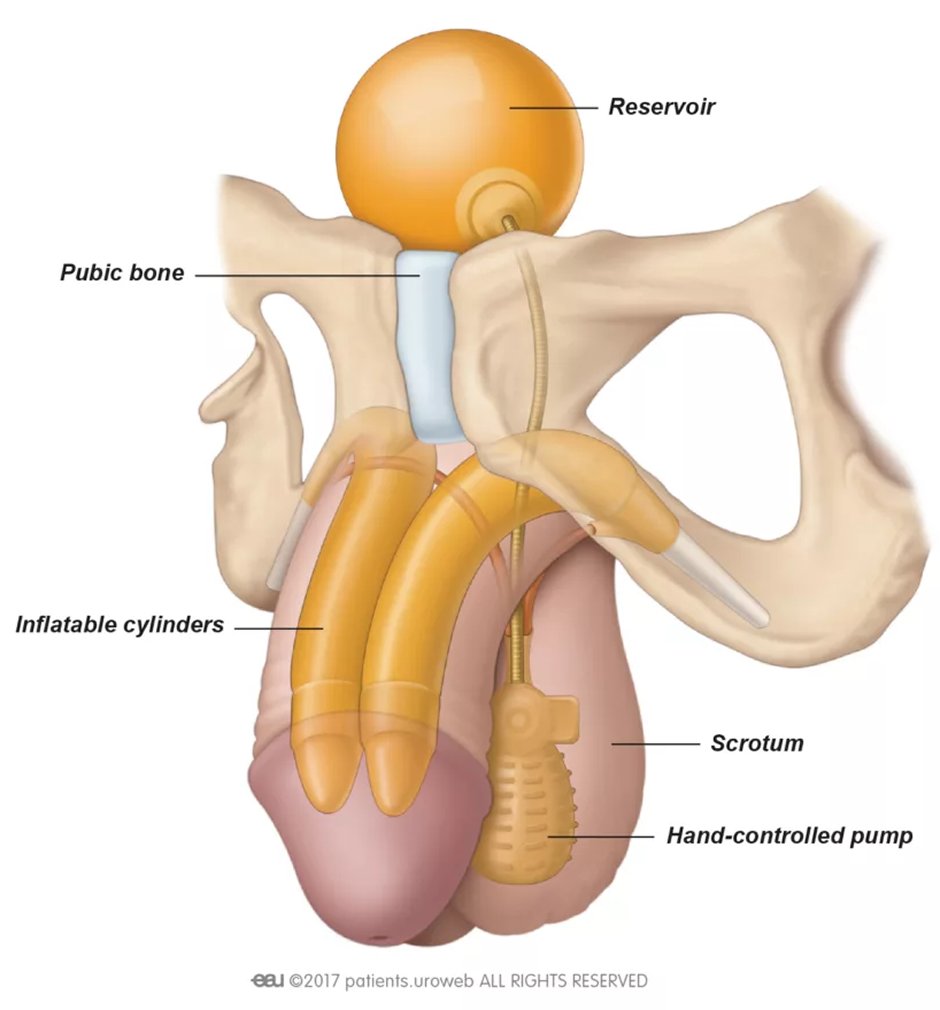
- Penile prostheses: surgically implanted devices that allow control over the rigidity and duration of the erection. They are used in cases of severe ED that do not respond to other treatments.
Psychological therapy:
- Counseling and sex therapy: aimed at addressing psychological factors such as anxiety, depression, or relationship problems that may contribute to ED.
It is essential that treatment be individualized, considering the specific needs and circumstances of each patient. Open communication with the healthcare professional, and when appropriate with the partner, is crucial for treatment success.
Additional considerations: ED may be an early indicator of cardiovascular disease or other underlying medical conditions. Therefore, it is important not only to focus on treating ED but also to evaluate and manage possible associated risk factors. Moreover, maintaining a healthy lifestyle and undergoing regular medical check-ups can help prevent or delay the onset of ED.