
Penile Cancer
Penile cancer is a rare malignant neoplasm that originates in the skin or tissues of the penis. It mainly affects men over 60 years of age, although it can occur at younger ages.
The most common histological type is squamous cell carcinoma, which accounts for most cases. Risk factors include infection with the human papillomavirus (HPV), lack of circumcision, poor genital hygiene, and smoking.
Source: European Association of Urology
Symptoms
Symptoms of urethral stricture can vary in severity and may include:
- Lesion or ulcer on the penis: appearance of a sore, lump, or thickening on any part of the penis, especially on the glans or foreskin.
- Foul-smelling discharge: presence of an unpleasant-smelling discharge under the foreskin.
- Bleeding: bleeding from the lesion or ulcer.
- Pain: pain in the penis, which may radiate to the groin area.
- Inflammation of the inguinal lymph nodes: swelling in the groin due to the spread of cancer.
It is important to note that these symptoms may also indicate other benign conditions; therefore, consultation with a specialist is essential for an accurate diagnosis.
Diagnosis
The diagnostic process for penile cancer includes:
- Physical examination: detailed evaluation of the penis and groin region to identify suspicious lesions and enlarged lymph nodes.
- Biopsy: obtaining a tissue sample from the lesion for histopathological analysis and confirmation of the diagnosis.
- Medical imaging: tests such as computed tomography (CT) or magnetic resonance imaging (MRI) to assess the extent of the tumor and lymph node involvement.
Treatment
Treatment options depend on the stage and location of the tumor, as well as the patient’s overall health. The main alternatives include:
- Conservative surgery: procedures that preserve as much of the penis as possible, such as wide local excision, circumcision (if the tumor is limited to the foreskin), or partial glansectomy.
- Partial or total penectomy: partial or complete removal of the penis in cases of more advanced tumors.
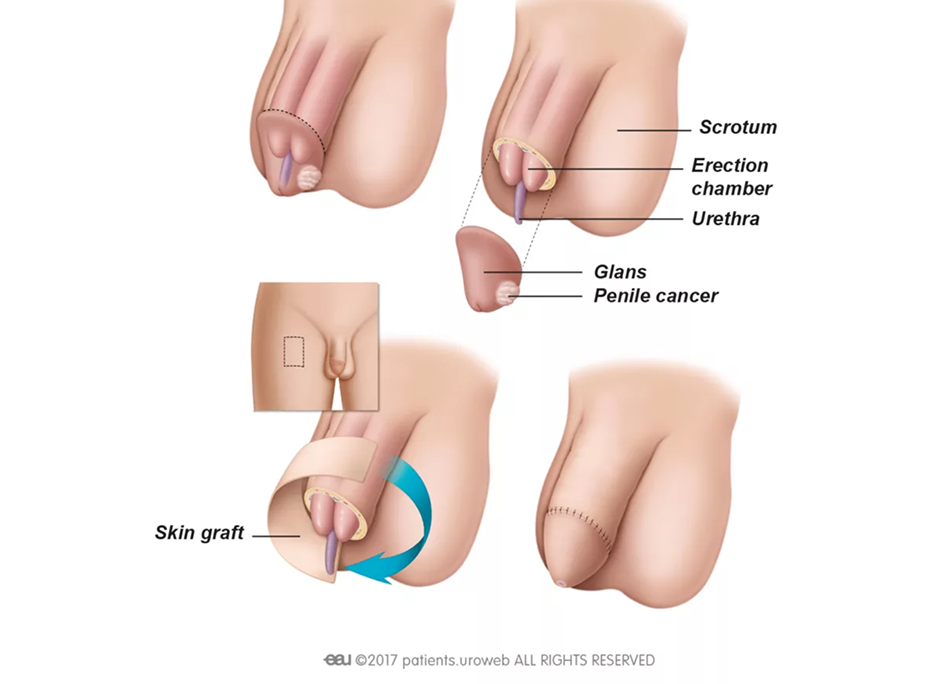
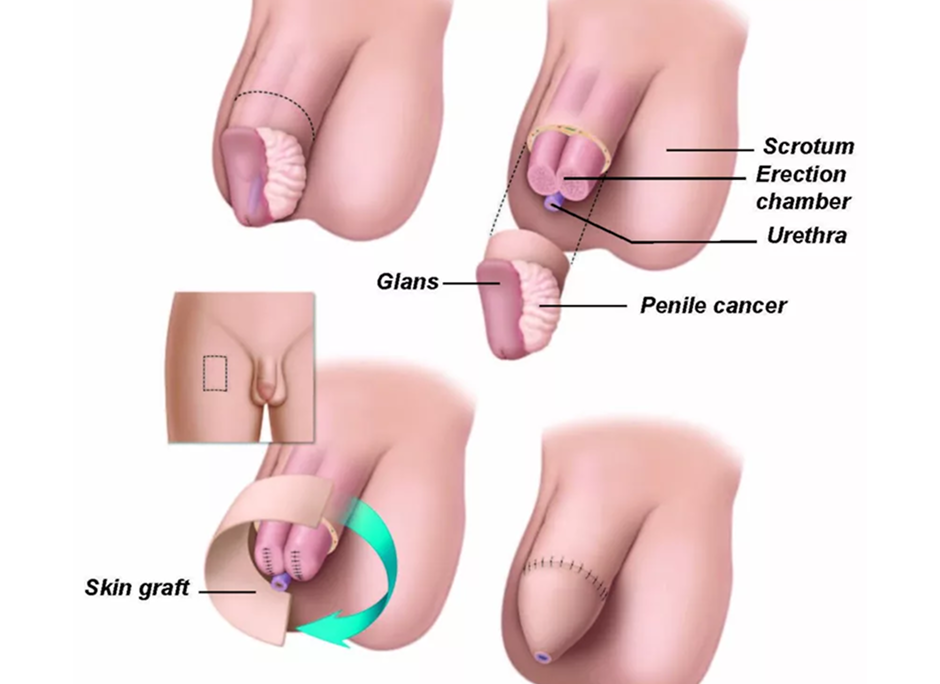
- Radiotherapy: use of radiation to destroy cancer cells, as primary treatment or adjuvant therapy after surgery.
- Chemotherapy: administration of drugs to eliminate cancer cells, especially in cases of advanced disease or metastasis.
The choice of treatment must be individualized, taking into account the specific characteristics of the tumor and the patient’s condition.
Prevention
Although penile cancer cannot be completely prevented, certain measures can reduce the risk:
- Proper genital hygiene: regular cleaning of the penis, especially under the foreskin, to prevent infections and inflammation.
- HPV vaccination: may reduce the risk of developing HPV-related penile cancer.
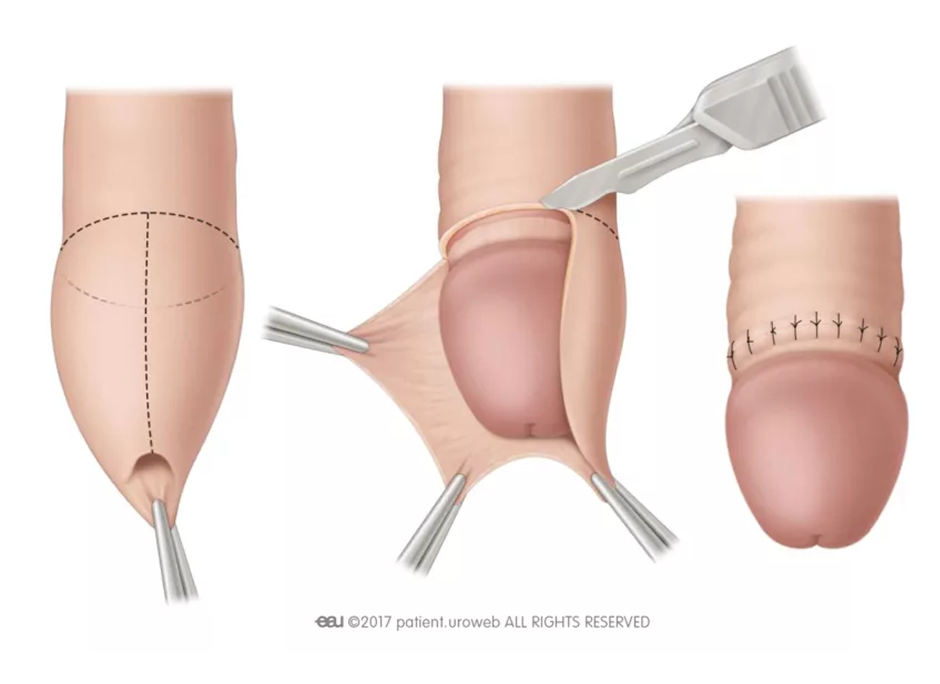
- Circumcision: childhood circumcision may lower the risk of penile cancer, although the decision should be made considering multiple factors and in consultation with a healthcare professional.
- Avoiding smoking: tobacco use is associated with a higher risk of penile cancer; quitting smoking may reduce this risk.
These measures may contribute to risk reduction and early detection of possible malignant lesions.