
Testicular Cancer
Testicular cancer is a malignant neoplasm that originates in the testicles, the male reproductive glands responsible for producing sperm and testosterone.
Although it represents approximately 5% of urological tumors, it is the most common cancer in young men, particularly between the ages of 15 and 35. There are two main types:
- Germ cell tumors (TGCT): those represent the majority of cases and are subdivided into seminomas and non-seminomas.
- Sex cord/stromal tumors: less common, including Leydig cell and Sertoli cell tumors.
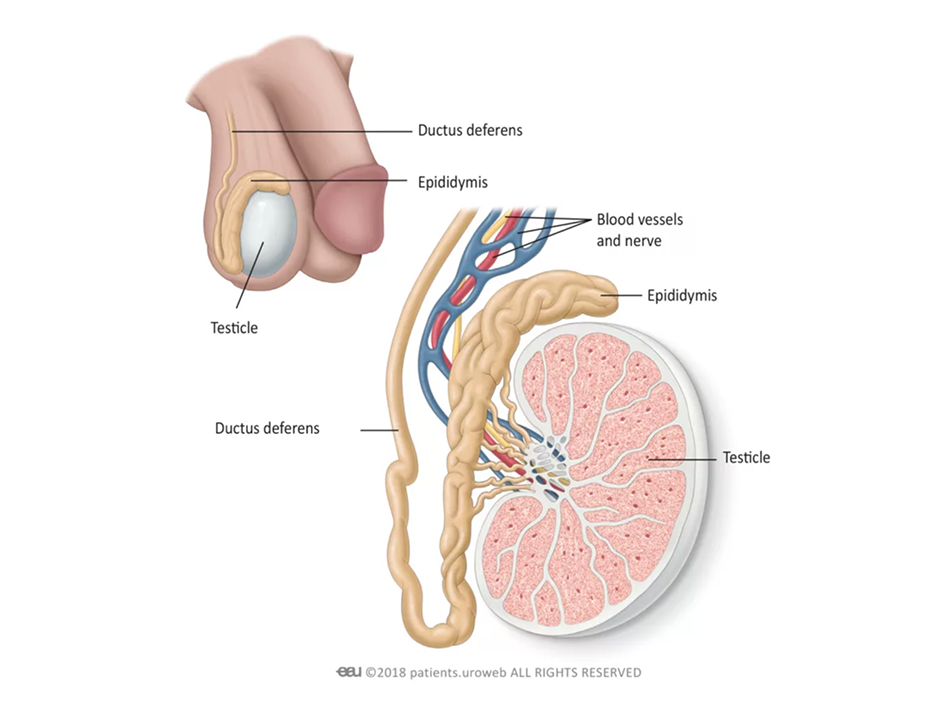
Symptoms
The most common symptoms of testicular cancer include:
- Testicular mass or swelling: presence of a painless lump or enlargement of the testicle. It is usually the most common reason for consultation with a urologist.
- Testicular or scrotal pain or discomfort: a sensation of heaviness or dull pain in the scrotum or lower abdomen.
- Changes in testicular consistency: an unusual sense of firmness or hardness.
- Systemic symptoms: in advanced cases, lumbar pain, shortness of breath (dyspnea), or gynecomastia may appear.
It is important to note that not all lumps or changes in the testicle are cancerous, but any abnormality should be evaluated by a urologist.
Diagnosis
The diagnostic process for testicular cancer includes:
- Physical examination: palpation of the testicles and abdomen to detect masses or abnormalities.
- Scrotal ultrasound: an imaging test using ultrasound to visualize the interior of the scrotum and differentiate between solid and cystic masses.
- Serum tumor marker analysis: detection of substances in the blood that may be elevated in the presence of testicular cancer, such as alpha-fetoprotein (AFP), human chorionic gonadotropin (β-hCG), and lactate dehydrogenase (LDH).
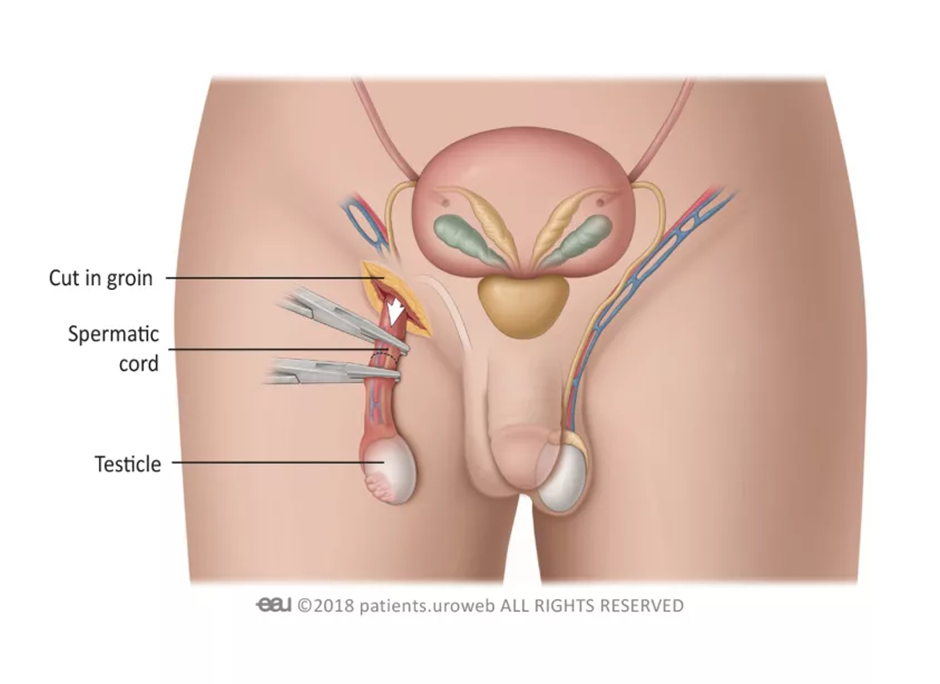
- Radical inguinal orchiectomy: surgical procedure to remove the affected testicle and confirm the diagnosis through histopathological analysis.
- Additional imaging studies: computed tomography (CT) of the chest, abdomen, and pelvis to assess possible spread of the cancer.
Treatment
Treatment options depend on the stage at which the cancer is diagnosed, the patient’s overall condition, age, and preferences. The main alternatives include:
- Surgery: radical inguinal orchiectomy is the main treatment in most cases.
- Radiotherapy: used primarily in early-stage seminomas or to treat metastases in retroperitoneal lymph nodes.
- Chemotherapy: indicated for non-seminomatous tumors, metastatic disease, or in cases of persistent elevation of tumor markers after surgery.
- Active surveillance: in certain low-risk cases, strict follow-up without immediate treatment may be considered.
Prevention
There are no specific measures to prevent testicular cancer, but early detection significantly improves prognosis. Recommendations include:
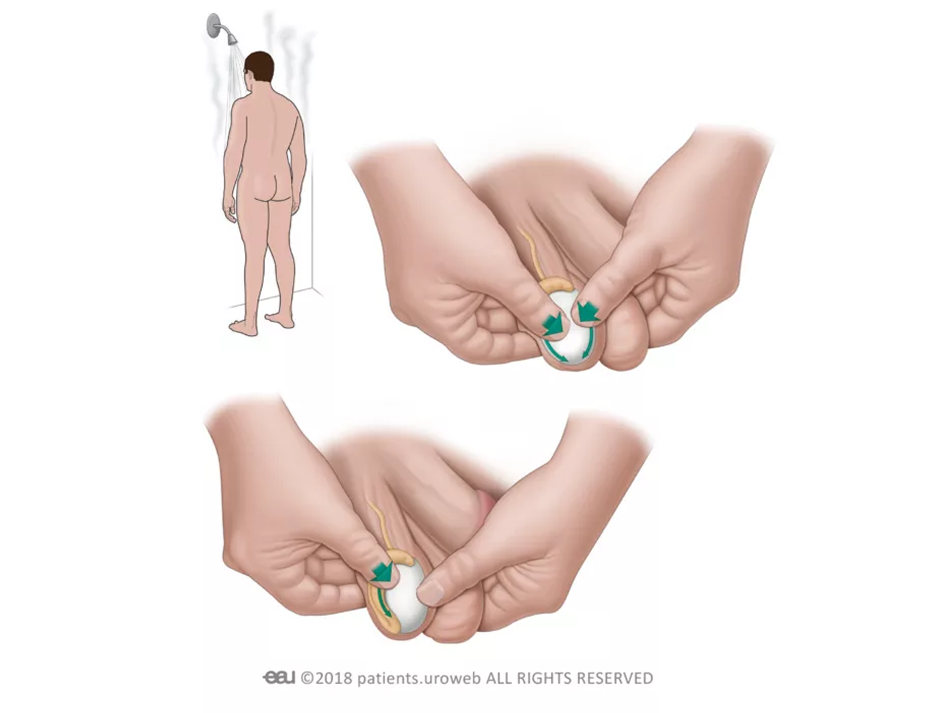
- Regular testicular self-examination: monthly palpation to identify changes or lumps.
- Medical consultation for any abnormality: seek immediate medical attention if any irregularity is detected.
- Awareness of risk factors: a history of cryptorchidism, a family history of testicular cancer, or having had cancer in the other testicle increase the risk.
Testicular cancer is highly treatable, especially when detected in its early stages. Most patients achieve complete cure with appropriate treatment.